Rotonda West Neighborhoods Guide for Golf vs Non-Golf
June 25, 2026
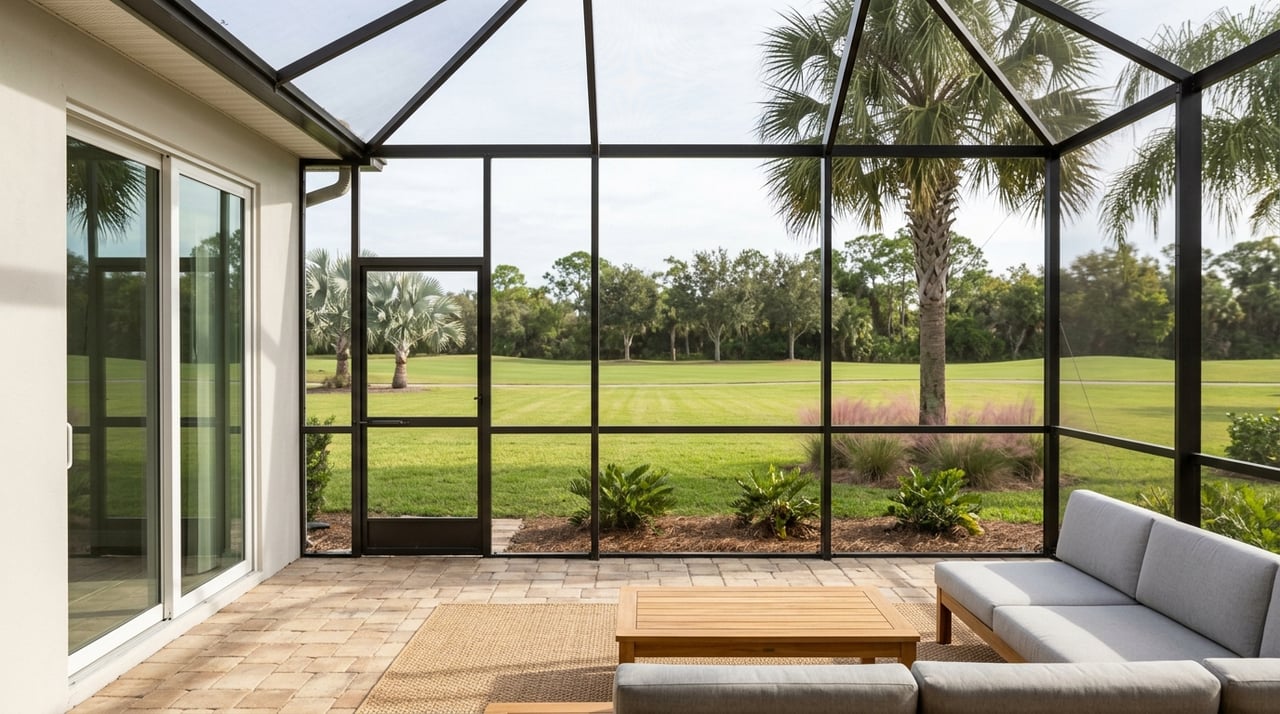
June 25, 2026
If you are trying to decide between a golf home and a non-golf home in Rotonda, the choice is not as simple as picking one neighborhood over another. In Rotonda West, buyers are usually comparing lot settings, views, privacy, and day-to-day lifestyle within the same deed-restricted community. Understanding that difference can save you time, narrow your search, and help you buy with more confidence. Let’s dive in.
When people talk about “Rotonda,” they are usually referring to Rotonda West, a deed-restricted community in Cape Haze. The community is known for its canals, ponds, lakes, nearby beaches, and a lifestyle tied to outdoor recreation like golfing, boating, fishing, tennis, hiking, and community clubs.
Instead of being divided into completely separate golf and non-golf subdivisions, Rotonda West is better understood by its sections and lot types. The association’s current documents reference sections such as Oakland Hills, Pebble Beach, Pinehurst, Broadmoor, Long Meadow, White Marsh, and Pine Valley.
For most buyers, that means your decision often comes down to the setting of the property itself. In Rotonda, you are usually choosing between golf-front, canal-front, greenbelt, or interior lots while remaining within the same overall community structure.
Some areas also continue to see new construction and ongoing maintenance activity. Current association reports show estoppels, parking passes, assessment processing, and section-specific work, which suggests parts of Rotonda may still feel more active or in transition than a fully built-out community.
Rotonda’s golf identity is tied to Rotonda Golf & Country Club, which currently lists five courses: The Hills, Long Marsh, The Palms, Pinemoor, and The Links. Within the Rotonda West network, The Hills is located in Oakland Hills, while Long Marsh is tied to White Marsh and Pine Valley. The Links is part of the club’s Cape Haze course network rather than a Rotonda West section.
For buyers, golf living in Rotonda usually means course-adjacent living. That can include broader views, more open sightlines, and a stronger connection to golf activity and club life.
The golf club also has appeal beyond serious golfers. It describes its courses as semi-private, markets itself as beginner-friendly, and offers PGA instruction, which can make golf-front living attractive even if you are new to the game.
There is also a social side to it. The Hills Restaurant is open to the public on select evenings and mornings, which adds another amenity for residents who want gathering spaces in addition to the course itself.
A golf-front home often appeals to buyers who want:
That said, golf-front living also means more exposure to course activity. If your priority is a quieter setting with less direct activity nearby, you may find a non-golf lot more comfortable.
In Rotonda, “non-golf” usually does not mean a separate community. It typically refers to homes on interior lots, canal lots, greenbelt lots, or homes with less direct course exposure.
That distinction matters because many buyers assume non-golf means giving up community appeal. In Rotonda West, non-golf homes still sit within the same deed-restricted framework and still benefit from the same broader community identity.
Association maintenance reports show work across multiple sections, including greenbelt care, canal treatment, and vacant-lot mowing. That helps explain why non-golf sections can still feel well-kept and visually consistent.
A non-golf home often appeals to buyers who want:
For many buyers, this is less about giving something up and more about choosing the type of setting that best matches daily life.
The main difference between golf and non-golf homes in Rotonda is usually lifestyle, exposure, and lot character rather than HOA structure. Both types of homes are still part of the same larger community system.
A golf-front home may attract buyers who are highly motivated by views and easy access to the golf environment. A non-golf home may appeal to a broader range of buyers who want Rotonda’s location, canals, parks, and maintained appearance without direct course frontage.
Here is a simple comparison:
| Feature | Golf-Front Homes | Non-Golf Homes |
|---|---|---|
| Primary appeal | Course views and golf access | Privacy and varied lot settings |
| Setting | Adjacent to course areas | Interior, canal, or greenbelt locations |
| Daily feel | More golf-centered | Less course-related exposure |
| Buyer interest | More niche but motivated | Often broader appeal |
| HOA structure | Same community assessment framework | Same community assessment framework |
One of the most important things to understand is that Rotonda West’s mandatory community assessment is separate from golf club membership. The Rotonda West Association lists a mandatory yearly assessment of $190 per lot for 2024, due by February 15, and later manager reports show the annual assessment cycle is still active.
Golf club costs are optional. Rotonda Golf & Country Club’s 2026 public membership page lists pricing such as a $375 single initiation fee, $750 family initiation fee, $2,900 annual single membership, $4,180 annual family membership, and two-year options.
This distinction matters because some buyers assume a golf-front home automatically comes with higher required dues. In Rotonda, the community assessment applies at the lot level, while golf participation is a separate choice unless you decide to join the club.
Because association fees can change, you should always verify the current amount directly during your purchase process. That step is especially important if you are comparing multiple lots or planning your long-term carrying costs.
Rotonda West is a managed, deed-restricted community, and that affects both buyers and sellers. The association handles items such as annual dues, deed restrictions, parking passes for boats and RVs, yard-sale requests, signage, exterior modification applications, canal maintenance, vacant-lot mowing, and greenbelt maintenance.
For buyers, this means you should look beyond the home itself and understand the level of oversight that comes with ownership. For sellers, it means exterior presentation and compliance can affect the listing process and closing timeline.
If you are deciding between a golf and non-golf property, the restrictions matter in both cases. The larger question is often not just where the home sits, but how the rules and maintenance structure fit your expectations.
Even if you never plan to play a round, Rotonda still offers a strong lifestyle mix. Charlotte County’s Rotonda Community Park includes pickleball courts, tennis courts, bike trails, a nature preserve, picnic shelters, playground space, and open space.
The nearby Cape Haze Pioneer Trail Park adds an 8.5-mile trail with bike trails, a nature trail, dog-friendly access, picnic tables, and restrooms. The community is also closely tied to beaches, boating, and fishing, which broadens Rotonda’s appeal well beyond golf.
There is also an active community life at the association level. Recent manager reports note board meetings, dozens of club and activity meetings, and multiple community events hosted through the community center.
That is useful if you want a social environment without needing your daily routine to revolve around the golf course. In that sense, non-golf buyers can still enjoy a full Rotonda lifestyle.
No matter which lot type you prefer, flood diligence should be part of your buying process in Rotonda. Charlotte County identifies flooding as a common and costly local hazard and notes that flood insurance is separate from homeowners insurance and mandatory in some high-risk zones.
The county also explains that low land elevations and high water tables can contribute to flooding, even during summer storms. That makes address-specific research especially important in this market.
If you are considering a canal-side lot or any lower-lying property, verify the exact flood zone and ask about current insurance implications before you commit. This is one of the most important practical differences between homes that may otherwise look similar online.
In Rotonda, resale is often shaped by four main factors: lot setting, community appearance, total carrying cost, and flood or insurance profile. Those factors can matter just as much as square footage or finishes.
Golf-front homes may attract a narrower but very motivated audience, especially buyers who value course views and a golf-first setting. Non-golf homes may appeal to a wider pool of buyers who want the Rotonda location and amenities without direct course exposure.
The community’s ongoing maintenance, deed-restriction enforcement, and continued activity across sections help support a consistent overall appearance. For both buyers and sellers, that consistency can be an important part of long-term value.
If you are deciding between golf and non-golf in Rotonda, start with your daily priorities rather than the label alone. Ask yourself what matters most when you wake up, pull into the driveway, and use the property season after season.
You may want to consider:
The right answer is different for every buyer. In a community like Rotonda, the best choice often comes from matching the lot setting to your lifestyle, budget, and long-term goals.
If you want help comparing Rotonda golf-front and non-golf opportunities, working through flood-zone questions, or evaluating lot value from a resale perspective, Olivia Jones offers boutique, local guidance tailored to buyers and sellers across Rotonda and nearby southwest Florida communities.
Stay up to date on the latest real estate trends.
September 24, 2026
September 17, 2026
September 10, 2026
September 3, 2026
August 27, 2026
August 20, 2026
August 13, 2026
August 13, 2026
August 6, 2026
Whether you are looking for luxury Boca Grande homes for sale or want to list your South Florida estate, I always provide exceptional service and diligent attention to detail. If you are looking to partner with a local real estate agent who will always put your needs first, let's see how we can work together!