Rotonda West Remote Investor Guide for Out-of-State Owners
July 2, 2026
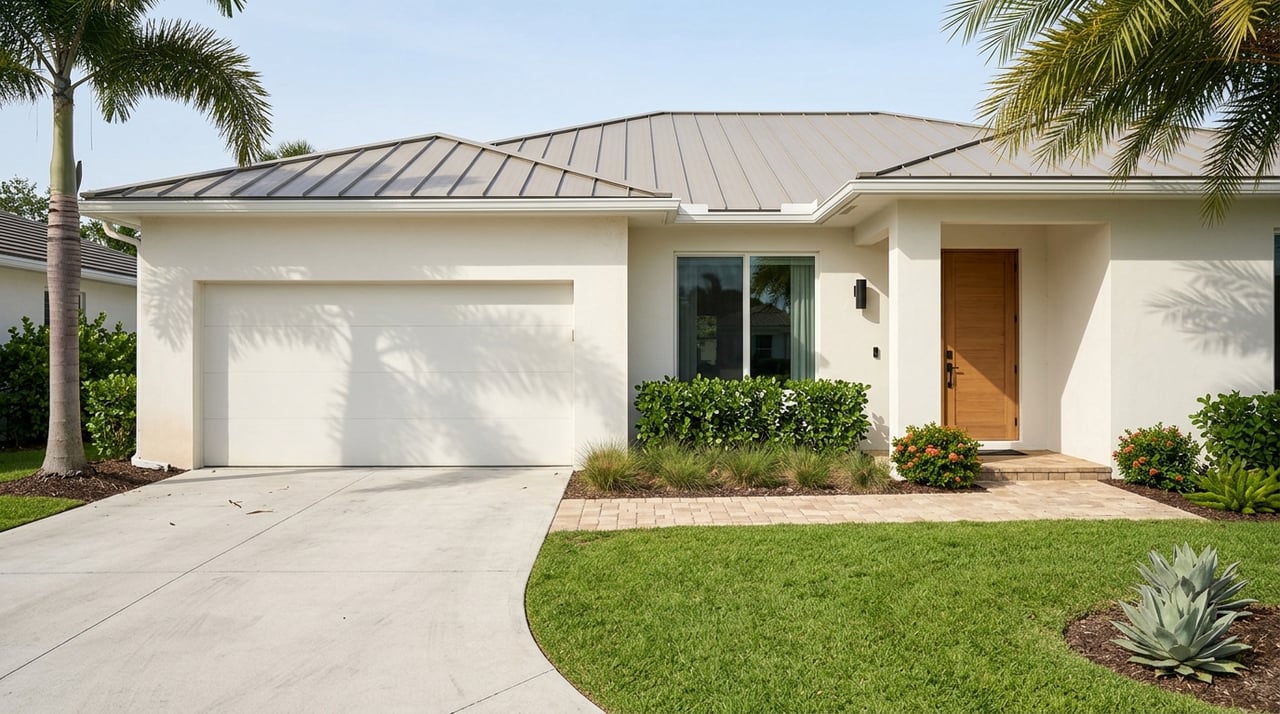
July 2, 2026
Buying a rental property in Rotonda from another state can look simple on paper, but the real work starts after closing. If you plan to use the home seasonally, rent it out, or leave it vacant for stretches of time, you need a system that fits both Florida rules and Rotonda West’s community structure. This guide walks you through the main decisions, filings, and planning steps so you can own with more confidence. Let’s dive in.
Rotonda West is a deed-restricted community in the Cape Haze area, and that matters if you will be managing a property from afar. The association describes the area as a long-established neighborhood with 26 miles of canals and nearby access to beaches and outdoor recreation. For you as an out-of-state owner, that means ownership is shaped by both county requirements and HOA governance.
Rotonda West Association says it is governed by Florida Statutes Chapters 720 and 617. The association also asks owners to keep current mailing information on file, which is especially important when you are not living nearby full time. Notices, assessments, approval forms, and updates are much easier to manage when your contact information stays current.
One of the biggest early decisions is how you plan to use the property. Will it be a second home for personal stays, a long-term rental, or a transient rental for shorter stays? That choice affects licensing, taxes, and day-to-day operations.
Florida’s DBPR defines a vacation rental broadly. It can include certain condos, cooperatives, and individually or collectively owned single-family, two-family, three-family, or four-family homes used as transient lodging. In practical terms, both a condo and a single-family home may work as vacation rentals under state law, but the licensing category and community rules should be reviewed before you close.
If you plan only seasonal personal use and will not market the property for short-term stays, lodging-related licensing and tax steps may not apply. If you will rent the home on a transient basis, those steps usually do apply. That is why your intended use should be clear from the start.
Not every rental setup works the same way. A single-family home in a deed-restricted community can involve one set of approvals and operating issues, while a condo can bring another layer of governance. The state’s vacation-rental licensing structure makes that distinction important.
Florida’s DBPR application packet also notes that an online account is required to maintain the license and to add, remove, or update rental unit addresses. For an owner living out of state, that online access becomes part of your operating system. It helps you keep records current without needing to be in Florida in person.
If your Rotonda property will be rented for shorter stays, taxes can stack quickly. Florida says rentals or leases of accommodations for six months or less can be subject to state sales tax, discretionary sales surtax, and local transient rental taxes. Charlotte County separately says its tourist development tax is 5% and applies to the total consideration received.
That total can include more than just the nightly or weekly rate. Charlotte County says taxable charges can include cleaning fees and resort fees. If you are building rental projections from out of state, this is one of the details that can affect your net income more than expected.
For Charlotte County, the official surtax table shows a 1% discretionary sales surtax through December 31, 2026. That means a qualifying short-term rental in the county can involve:
The exact tax treatment depends on how the property is used and how the transaction is structured. Still, the key takeaway is simple: you should account for these layers before you set rates or estimate returns.
For many transient rentals in Charlotte County, there is a practical sequence to getting set up. Handling this early can save you stress once bookings begin.
The usual setup path is:
Charlotte County says a local business tax is required when a rental property is available to rent for periods of less than six months. The county also says owners and operators engaged in short-term or vacation rental home activities must remit tourist development taxes.
Timing matters here. Charlotte County notes that these taxes are due monthly and become delinquent if not postmarked by the 20th day of the following month. For a remote owner, a missed calendar deadline can turn into a preventable headache, so this is one area where strong organization really pays off.
If your goal is a steadier, longer-term rental rather than shorter stays, the tax picture can change. Charlotte County says a bona fide written lease in excess of six months is exempt from sales tax and tourist development tax. That can make a meaningful difference in how you evaluate rental strategy.
The county also explains what happens when there is no written lease. In that case, the owner must collect and remit sales tax and tourist tax for the first six months, and the seventh month and each month after that are exempt as long as the same renter remains in place. If you are choosing between short-term income and longer occupancy, this distinction is important to understand upfront.
Owning from another state works best when you have a clear local process for communication, maintenance, and emergencies. Even in a well-planned purchase, the day-to-day details are what protect your time and the property itself. A strong local support system matters just as much as the purchase price.
Rotonda West offers online forms for change of address and exterior modification approvals. The association also says exterior changes must be approved before work begins. It further notes that a permit is required before work starts and that beginning work early can trigger a $50 fine.
That means even routine updates can require advance planning. If you are replacing exterior elements, adjusting landscaping, or making visible improvements after closing, it is smart to confirm the approval path before any vendor begins work.
A practical remote-ownership system often includes:
Storm readiness is not optional in southwest Florida, especially when you are not nearby. Florida’s official hurricane season runs from June 1 through November 30. If your home may sit vacant for part of the year or host guests seasonally, planning ahead is one of the most important parts of ownership.
Charlotte County offers Alert Charlotte, which sends critical information about severe weather, road closures, missing persons, and evacuations. For an out-of-state owner, this kind of alert system is part of your ownership infrastructure. It helps you stay aware of local conditions even when you are hundreds of miles away.
Flooding also deserves close attention before you buy. Charlotte County notes that flooding is likely in some areas because of low land elevations and high water tables. The county also states that homeowners policies do not cover damage from rising water.
The Florida Office of Insurance Regulation similarly says most homeowners policies do not cover flooding and that flood insurance is usually purchased separately. It also points consumers to FEMA flood maps for risk review and notes that some mortgages may require flood coverage in high-risk areas. Before closing, you should confirm flood risk, insurance requirements, and the likely carrying costs tied to wind and water exposure.
If you are buying as an investor or second-home owner, you should not expect homestead treatment automatically. Charlotte County describes homestead exemption as a benefit tied to a homeowner’s primary residence, with applications due by March 1. In general, out-of-state owners and second-home buyers should not assume this benefit will apply unless the property truly becomes their permanent home.
This matters because carrying-cost expectations can shift if you assume a tax benefit that does not fit your actual use. For remote buyers comparing a personal retreat, a seasonal rental, and an income property, this is another reason to define your plan early.
When you buy from out of state, success usually comes down to preparation. The goal is not just finding the right property. It is making sure the home can be owned, used, and managed smoothly once you are back home.
Before closing on a Rotonda rental property, focus on this checklist:
Remote ownership in Rotonda can work well when the structure is in place from day one. If you want local guidance on evaluating Rotonda West, Cape Haze, Boca Grande-adjacent markets, or nearby investment opportunities, Olivia Jones can help you move forward with clear, attentive representation.
Stay up to date on the latest real estate trends.
October 15, 2026
October 8, 2026
October 1, 2026
September 24, 2026
September 17, 2026
September 10, 2026
September 3, 2026
August 27, 2026
August 20, 2026
Whether you are looking for luxury Boca Grande homes for sale or want to list your South Florida estate, I always provide exceptional service and diligent attention to detail. If you are looking to partner with a local real estate agent who will always put your needs first, let's see how we can work together!