New Construction vs. Resale in Englewood: A Buyer’s Guide
January 15, 2026
January 15, 2026
Trying to choose between a brand-new build and a well-kept resale in Englewood? You want a home that fits your timing, budget, and lifestyle, but Florida insurance, flood maps, and HOA fees can make the choice feel complex. This guide breaks down the key differences for Englewood in Duval County, including timelines, permitting, HOA and CDD costs, insurance, finishes, and total ownership costs. By the end, you will have a clear framework to pick the option that serves your goals. Let’s dive in.
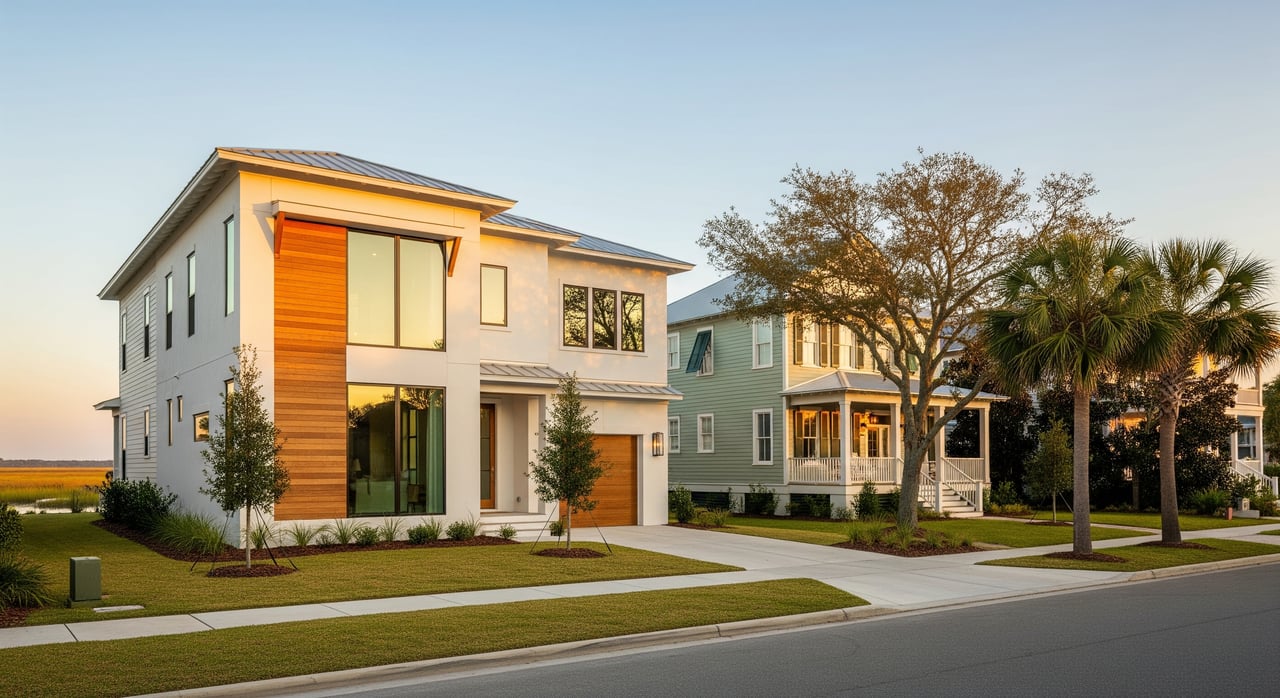
A new construction home gives you modern building standards, fresh systems, and the chance to personalize finishes. You will often trade a longer timeline and a menu of upgrade costs for that control. A resale home offers established landscaping and immediate move-in, though older systems can mean higher insurance and near-term maintenance.
In Englewood, you also need to consider city processes and lot constraints. Permitting and inspections go through the City of Jacksonville, and taxes and parcel data are recorded with the Duval County Property Appraiser. Flood zones and elevation influence both mortgage and insurance, so plan to verify each address through the FEMA Flood Map Service Center.
Production or spec homes can often be finished within several months once construction starts, while semi-custom or custom projects can run several months to a year or more. Timelines depend on the scope of work, permitting, inspections, weather, and contractor availability. Industry benchmarks from the National Association of Home Builders provide helpful context, but local conditions still drive the schedule.
In Jacksonville, permitting queues and hurricane season can add time for inspections or weather delays. If you have a firm move-in date, ask for realistic milestones in writing and clarify what happens if the builder misses a target.
If you need to move sooner, resale homes can be the better fit. You can close, insure, and occupy on a standard timeline once inspections and financing are complete. Use the inspection period to identify any major replacements you may face in the first few years, such as roof or HVAC.
Englewood is an established neighborhood, so vacant infill lots are limited compared to outlying subdivisions. Before you pursue a buildable lot, verify zoning, setbacks, easements, tree rules, and utility connections through the City of Jacksonville Planning and Development. Many properties in Duval have coastal or riverine flood risk. Confirm the flood zone and consider an elevation certificate by searching the FEMA Flood Map Service Center.
For taxes, assessed value, and homestead status, review the parcel history with the Duval County Property Appraiser. These items influence both your build feasibility and your long-term carrying costs.
Newer Florida communities often include a mandatory HOA that manages common areas and sets rules for property upkeep. HOA dues can vary based on amenities and services. You should review the covenants, conditions, and restrictions, plus the budget and reserves, to understand current dues and any future assessments.
Older resale areas may or may not have an HOA. If they do, rules and fees will differ, so compare them side by side with your new construction option.
Many master-planned communities in Florida use Community Development Districts to finance infrastructure. CDD assessments are typically paid annually, often as part of your tax bill, and can run for decades as bonds are repaid. Learn how CDDs function by reviewing Florida Statutes Chapter 190 and confirm the specific assessment amount and term for any community you are considering.
Florida has strengthened its building standards over time. Homes built to the current Florida Building Code often qualify for wind mitigation credits that reduce premiums. The Florida Office of Insurance Regulation provides consumer information on what affects rates. New roofs, impact protections, and modern tie-down systems can improve insurability for new construction.
Older resale homes may require updates to achieve similar discounts. If the roof is nearing end of life, or if wind mitigation features are limited, your premium could be higher. Obtain quotes for the specific address and ask carriers how an upgrade could change the rate.
Lenders will require flood insurance for mortgages on properties in mapped flood zones. Your premium depends on the flood zone and the home’s elevation, so verify both through the FEMA Flood Map Service Center. If you have trouble finding a private policy, Florida’s insurer of last resort, Citizens Property Insurance, offers options that can fill gaps in the market.
If you are buying a second home that may sit vacant at times, ask your agent about vacancy endorsements or notifications. These conditions can affect coverage and cost.
Builders include a set of standard finishes in the base price, with options for appliances, flooring, counters, lighting, and landscaping offered at a premium. Those upgrades let you personalize the home, but they also add to the bottom line. Review the builder’s warranty in writing. A common structure outlined by the National Association of Home Builders is one year for workmanship, two years for systems, and ten years for structural coverage, though specifics vary.
A resale home may come with established upgrades already in the price. Still, plan for near-term replacements and any remodeling you want. Industry benchmarks like the Remodeling Cost vs. Value report can help you estimate typical project costs. Factor in the availability of local contractors and lead times for materials.
Builders often work with preferred lenders and may offer closing cost contributions or rate buydowns. If you need a construction-to-permanent loan, ask about the draw schedule, completion guarantees, and what happens if construction is delayed. Clarify whether your rate lock covers the anticipated build time.
Resale purchases usually follow standard mortgage timelines. You can negotiate seller concessions to help with closing costs or updates. For second homes, ask your lender about down payment requirements and how rental income rules affect your options if you plan to rent occasionally.
Use this checklist to evaluate the true monthly and annual carrying cost of each property.
Purchase and pre-closing
Closing and immediate costs
Ongoing recurring costs
Maintenance and replacement reserve
Renovation and upgrade costs
Contingency
Documentation to obtain
If you want move-in speed and mature surroundings, a resale may be your best path. If you value modern codes, warranties, and tailored finishes, a new build can be worth the wait. Either way, clarity on flood, insurance, HOA and CDD costs, and total ownership will help you buy with confidence.
When you are ready to compare specific addresses or lots in Englewood, let’s talk through timelines, due diligence, and your best next move. Reach out to Olivia Jones to Request a Private Consultation.
Stay up to date on the latest real estate trends.
September 24, 2026
September 17, 2026
September 10, 2026
September 3, 2026
August 27, 2026
August 20, 2026
August 13, 2026
August 13, 2026
August 6, 2026
Whether you are looking for luxury Boca Grande homes for sale or want to list your South Florida estate, I always provide exceptional service and diligent attention to detail. If you are looking to partner with a local real estate agent who will always put your needs first, let's see how we can work together!