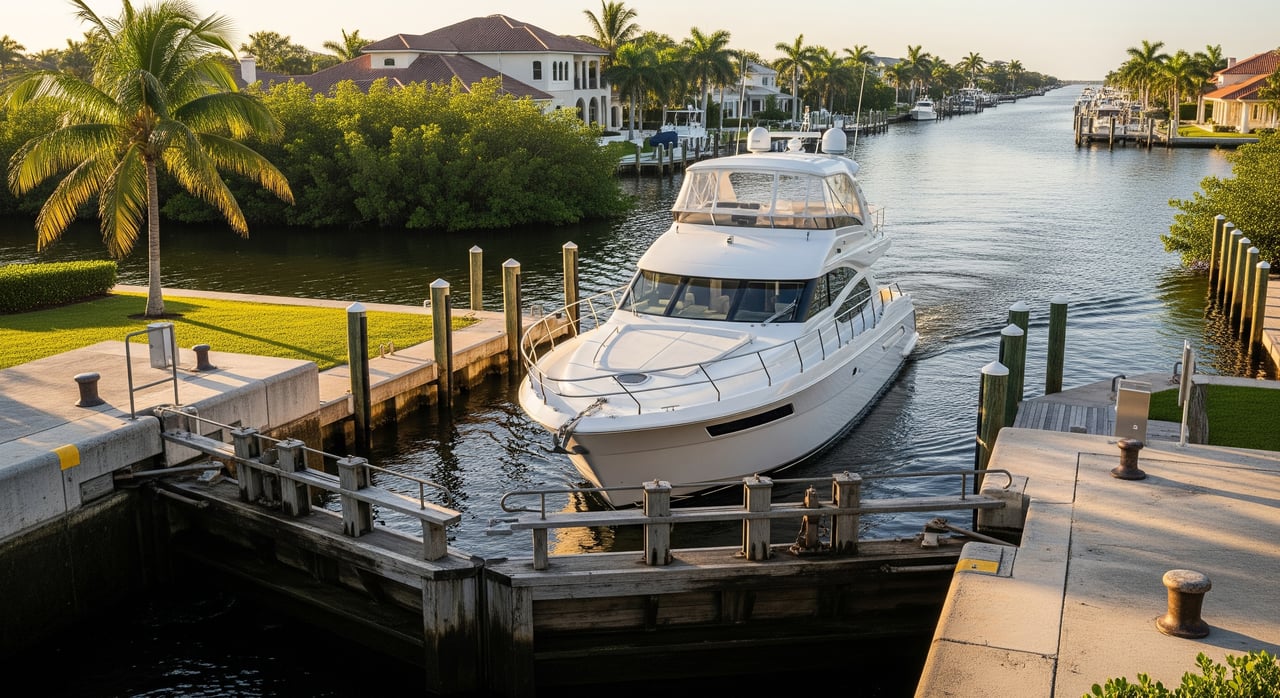
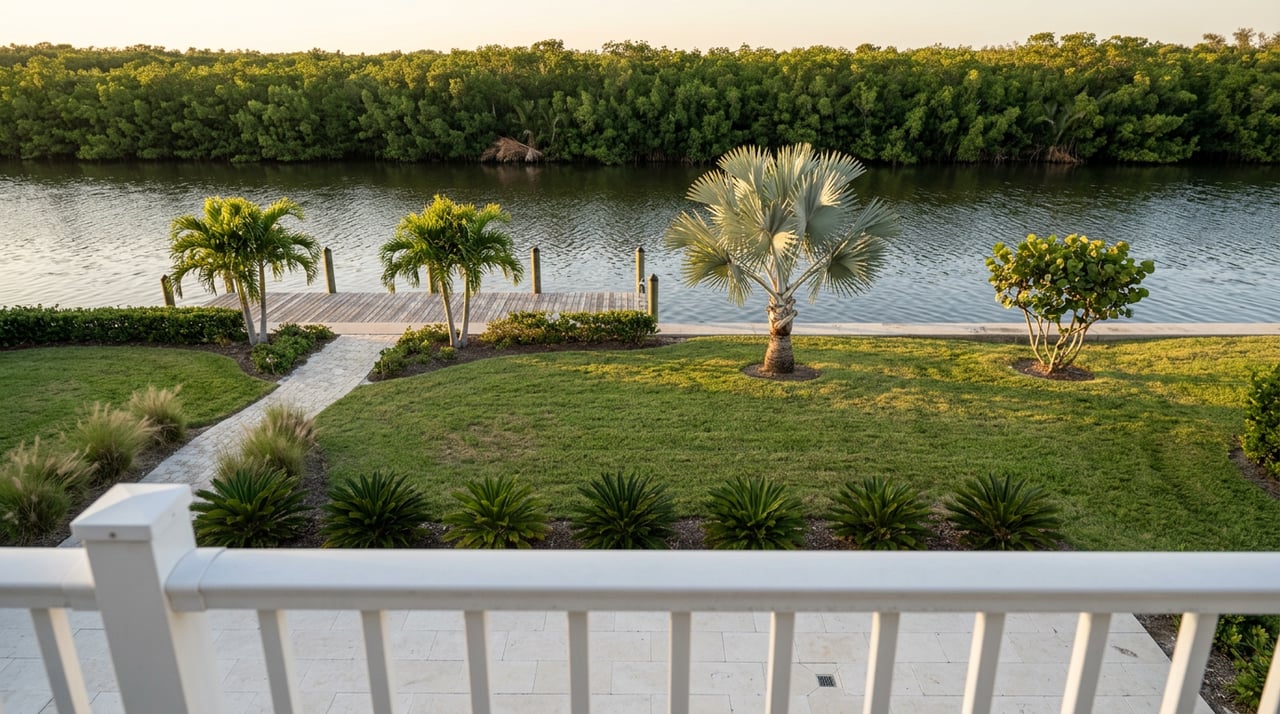
If you boat in South Gulf Cove, the lock is your gateway to bigger water. But if you are new to the area, the mechanics, timing, and etiquette can feel unclear. In this guide, you will learn what the South Gulf Cove lock does, what to confirm before you go, how it shapes daily boating patterns, and how to evaluate a home here if boating access is important. Let’s dive in.
South Gulf Cove lock basics
Locals often call it the South Gulf Cove lock, though some facilities also function as flood-control gates. In coastal Florida, many structures are built first for water-level management and second for navigation. The exact type, hours, and rules can change, so confirm current details with Charlotte County Public Works or the local water control district before you plan a transit.
For practical purposes, you can expect controlled passage between the community canal system and surrounding tidal waters. That means there may be operating hours, communication steps, and waiting procedures to follow. Your experience will be easier when you know the signals, bring the right gear, and plan around peak times.
Key details to confirm before you go
Before you head out, verify the current operational specifics the same day you plan to transit. Policies can shift seasonally or after storms.
- Facility type and status: confirm whether it is operating as a navigation lock, flood-control gate, or a combination. Ask if any special rules are in effect.
- Hours and notice: verify opening hours, holiday schedules, and whether advance notice or a phone call is required.
- Radio procedures: confirm the VHF channel to hail and any working channel to shift to after initial contact.
- Dimensions: ask about maximum length, beam, draft, and air draft limits for vessels.
- Fees or permits: check whether there are fees, residency rules, or insurance requirements.
- Priority and wait times: confirm whether commercial or emergency traffic has priority and what typical waits look like at peak season.
- Storm protocols: ask how operations change before or after a storm and whether closures are possible.
Use authoritative sources for these confirmations. Charlotte County, the local water control district or association, NOAA nautical charts, the U.S. Coast Guard Local Notice to Mariners, and Florida Fish and Wildlife Conservation Commission are all appropriate places to check.
Tides, depth, and clearance
Tide affects both water depth and your air draft under any nearby structures. Published clearances are often referenced to Mean High Water or Mean Lower Low Water, and real-world numbers change with the tide. Shoaling can also reduce depth in channels or alongside private docks after storms.
- Check charted depths and remember they are references, not guarantees. Recent dredging or silt build-up can change conditions.
- Confirm the datum for any published clearance or depth so you understand best and worst cases.
- If you run a deeper draft boat or a tall rig, plan your transit window around favorable tide.
How operations shape your day
Lock operations create natural rhythms for the neighborhood’s boating. You will see patterns by time of day and season.
- Morning and late afternoon are common peaks, especially on weekends and holidays.
- If the facility runs on set hours or scheduled openings, you will want to time your departures and returns to avoid bottlenecks.
- During busy times, operators may batch multiple boats. Be patient, follow directions, and have lines and fenders ready.
Example planning scenario: if you live a few canal turns upstream, you might budget a short run to the lock, then add time for a possible queue and one full lockage cycle. On a quiet weekday the whole sequence can feel quick. On a sunny holiday afternoon, it might take longer. Always confirm conditions the day you go.
Choosing a South Gulf Cove home for your boat
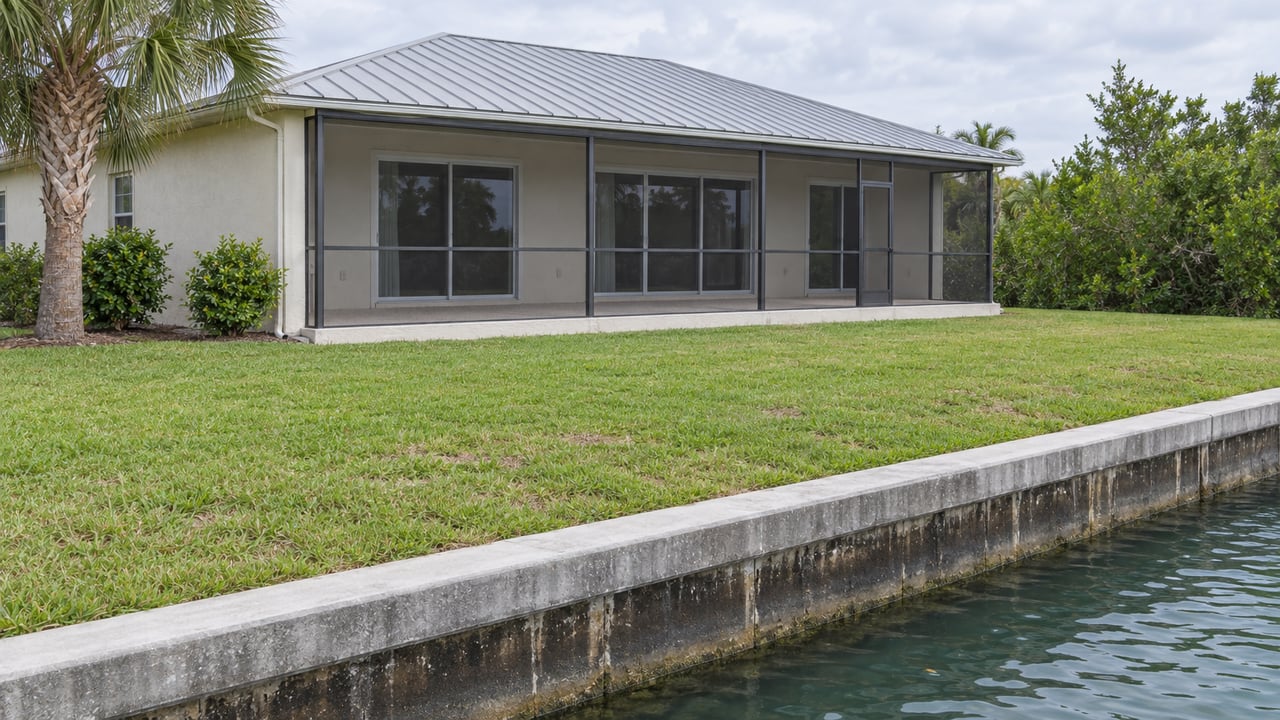
If you are evaluating property here, boating fit is just as important as square footage. Use this checklist to compare homes:
Access and transit
- Distance by boat to the lock and to open water during normal hours.
- Lock hours, radio protocol, and typical wait times. Ask about seasonal variations.
- Any scheduled closures, advance notice rules, or holiday changes.
Dock and slip suitability
- Deeded dock or private dock and any HOA rules.
- Usable slip length and width compared to your boat’s LOA and beam. Allow space for fenders and lines.
- Dock construction, cleat placement, and capability for a boat lift. Confirm lift capacity if present.
Depth and bottom conditions
- Depth alongside the dock at Mean Lower Low Water and any recent soundings.
- Signs of shoaling or silt build-up. Ask neighbors or nearby marina operators.
Vertical clearance
- Any fixed bridges or overhead lines between the property and the lock. Consider spring and neap tides.
Environmental and regulatory items
- Speed and wake zones along your route.
- Flood zone, elevation requirements, and potential insurance implications.
- Permitting needs for new pilings, lifts, or dock changes.
Community and services
- Proximity to fuel, bait and tackle, repair yards, and guest slips for visiting boats.
Operational realities
- Noise or light from lock operations, especially if you are very close.
- Expected traffic near your canal during peak season.
Emergency and storm preparedness
- Closure policies, boat securing rules, and safe harbor alternatives if the lock closes.
Legal and title checks
- Riparian rights, shoreline access, easements, and any water control district covenants that affect boat use.
A home that balances quick access, adequate depth, and the right dock setup will serve you better over time than one that is close to the lock but shallow or constrained.
Step by step: make a smooth transit
Follow this simple process for an easier day on the water.
1) Before you cast off
- Verify hours, procedures, and the radio channel for requests the same day.
- Check tide and weather, and confirm depth alongside your dock at your planned departure.
- Rig fenders and prepare bow, stern, and spring lines with crew briefed on roles.
2) Approach and communicate
- Hail the facility on the posted VHF channel. If unknown, start with Channel 16 to hail and shift to any working channel as directed.
- State your vessel name, location, and direction of travel. Keep calls concise.
- Observe all signals and instructions. Do not enter without explicit permission.
3) Inside the chamber
- Use fenders generously and keep hands clear of hardware. Secure lines to the appropriate points.
- Maintain spacing from other boats and the gates. Follow operator instructions for order and mooring.
- Stay attentive as water moves. Be ready to ease or take in lines.
4) Exit and clear the area
- Check lines and rudder before you maneuver. Expect some current or surge near the exit.
- Depart at no-wake speed and keep clear for inbound traffic.
Safety and etiquette
A few habits go a long way toward safety and neighborly boating.
- Never swim or dive near a lock. Machinery and changing water levels are hazardous.
- Assume water level and clearance will vary. Re-check tides, even if you know the route well.
- Use enough crew for line handling. If you are single-handing, set lines and fenders in advance and move slowly.
- Do not tie off to ladders, gate hardware, or spots not intended for mooring.
- Respect no-wake zones and keep VHF chatter professional and brief.
Who to contact to verify today
For up-to-date hours, procedures, and any temporary changes, contact or check notices from:
- Charlotte County Public Works or Coastal Management
- South Gulf Cove Water Control District or community association
- NOAA nautical charts for Charlotte Harbor and chart notes
- U.S. Coast Guard Local Notice to Mariners, District 7
- Florida Fish and Wildlife Conservation Commission for local speed and wake rules
- Local marinas or county marine patrol for practical tips and current wait times
A quick example day
Let’s say you plan a Saturday morning fishing run. You check the tide and call to confirm hours and radio procedures. You leave with fenders out and lines ready, hail the operator on approach, and join a small group for the next lockage. Later, you plan your return to avoid the late-afternoon rush, confirming hours again in case of a schedule change.
Well-timed departures and a little preparation turn the lock into a non-issue, even on busy days.
If you want a home that fits your boat and your routine, you deserve guidance from someone who understands both lifestyle and logistics. For local advice on South Gulf Cove, nearby canals, and luxury waterfront along Gasparilla Island, connect with Olivia Jones to Request a Private Consultation.
FAQs
What is the South Gulf Cove lock and why is it there?
- It is a managed structure that controls water levels for the canal network and provides controlled boat passage; confirm the current operating role and rules with Charlotte County or the local water control district.
What should I confirm on the day I plan to transit?
- Verify hours, any advance notice rules, the correct VHF channel, typical wait times, and whether fees or storm-related restrictions are in effect.
How long does a lockage usually take for small boats?
- A single cycle often feels brief, but total time depends on traffic and batching; plan extra time on weekends and holidays and confirm conditions before departure.
Can my sailboat with a tall mast use the lock?
- Ask about both horizontal and vertical limits, including air draft, then match those against your rig height at the day’s tide level.
Are there fees or residency rules to use the lock?
- Some local facilities charge fees or have residency-based rules; confirm current policies and any insurance requirements with the managing authority.
How do tides affect my trip through the lock?
- Tides change depth and clearance, and can influence current at the exit; plan for your vessel’s draft and air draft at the actual tide when you transit.
What should I look for in a South Gulf Cove home if I boat often?
- Prioritize adequate dock depth at MLLW, slip size that fits your beam and LOA, reliable access to the lock, and nearby services like fuel and repairs.
What happens to lock operations during storms or hurricanes?
- Protocols can change quickly, including closures; check storm procedures with the managing authority and have a plan for securing or relocating your boat.